
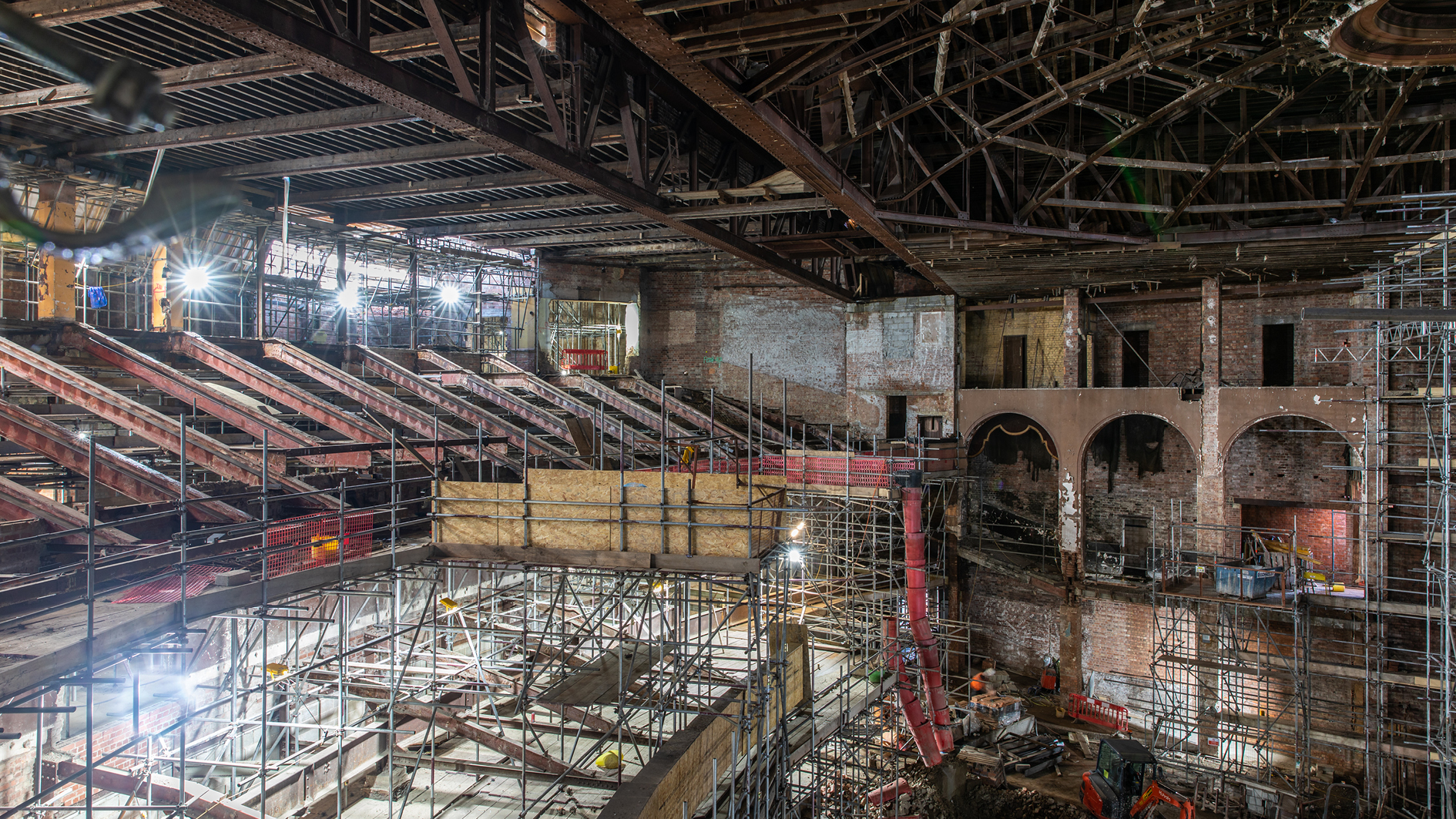
Bradford Live is a compelling example of repair-led structural engineering, demonstrating how careful investigation and targeted intervention can revive a highly degraded historic structure.
Originally constructed in 1930 as the Bradford Odeon, the building had suffered extensive alteration, prolonged water ingress and structural uncertainty following decades of neglect and a prolonged period of dereliction. When Price & Myers was appointed, the priority was not replacement, but understanding what viable structure remained and how it could be repaired.
A detailed programme of investigation underpinned the approach. A 3D point cloud survey was used to map inaccessible voids and establish a clear understanding of the original structural fabric, the impact of 1960s insertions, and areas of deterioration. This forensic understanding enabled later interventions to be precise and proportionate.
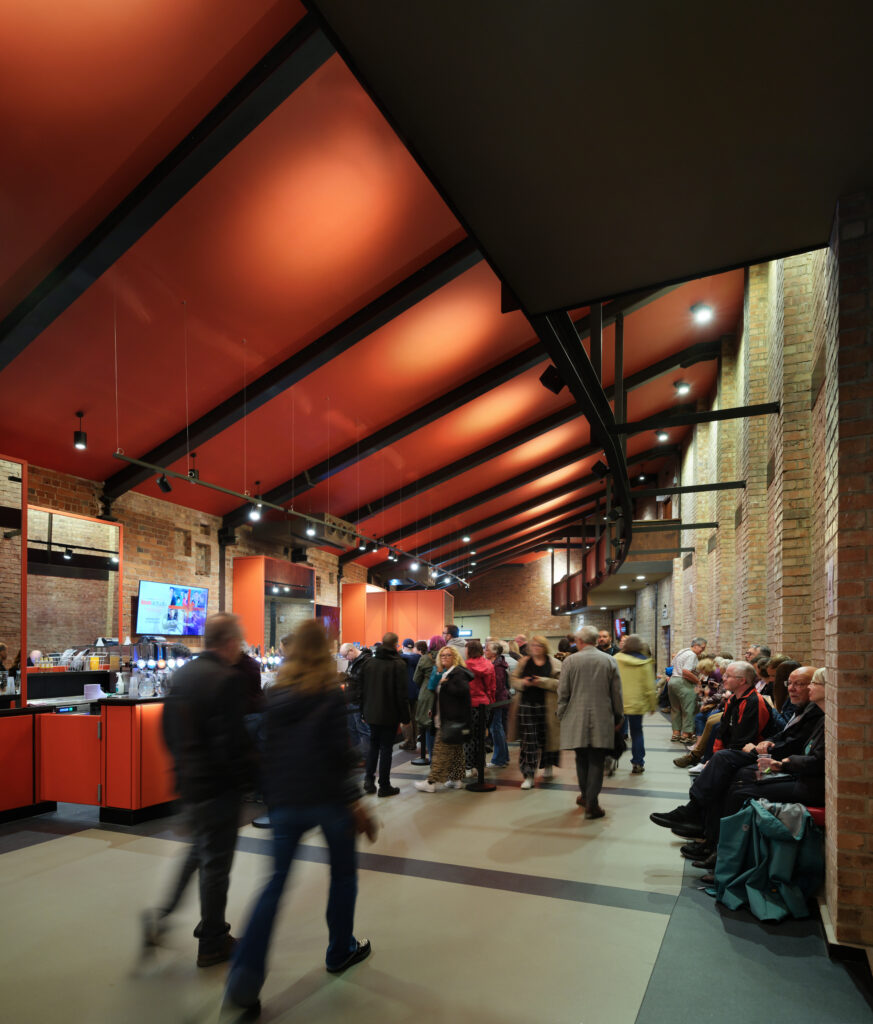
The removal of later intrusive alterations revealed the original auditorium structure for the first time in half a century. With much of the decorative fabric lost, the retained structure became a defining architectural feature, with exposed brickwork, riveted steelwork and new structural elements clearly expressed.
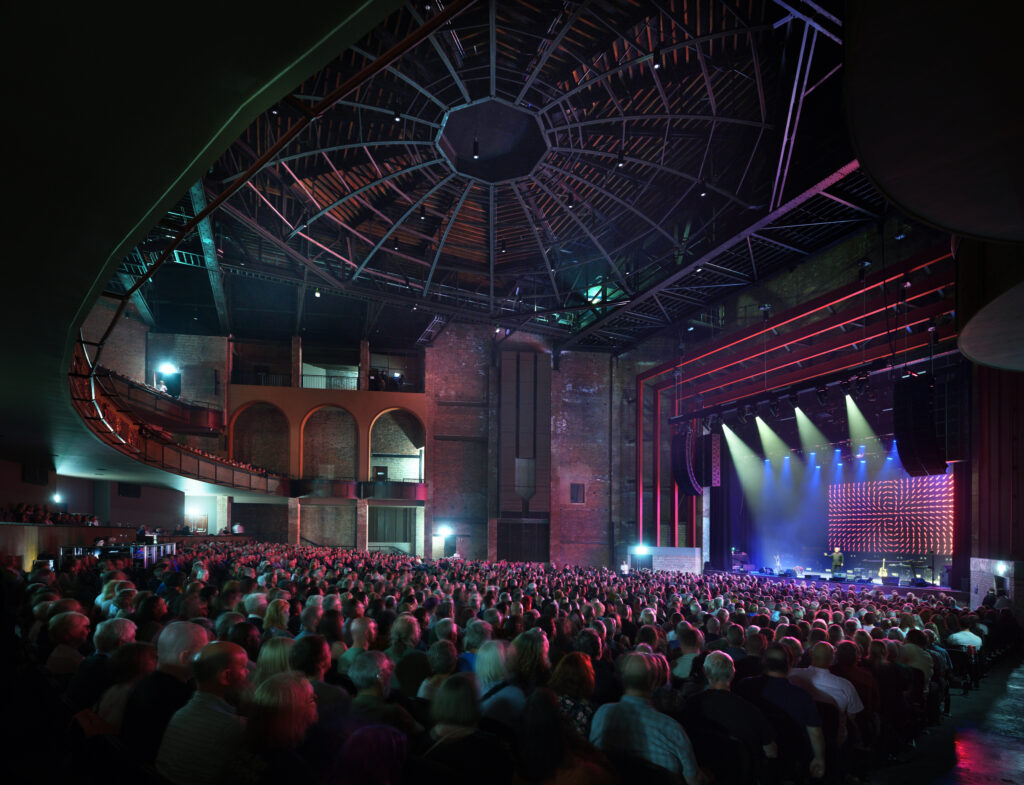
The most significant challenge lay in upgrading the roof. Substantial acoustic and thermal enhancements were required, adding considerable load to the existing riveted steel trusses. Rather than wholesale strengthening or replacement, Price & Myers undertook detailed back-calculation of forces through the entire load path, assessing capacity down to individual rivets to verify what could be retained.
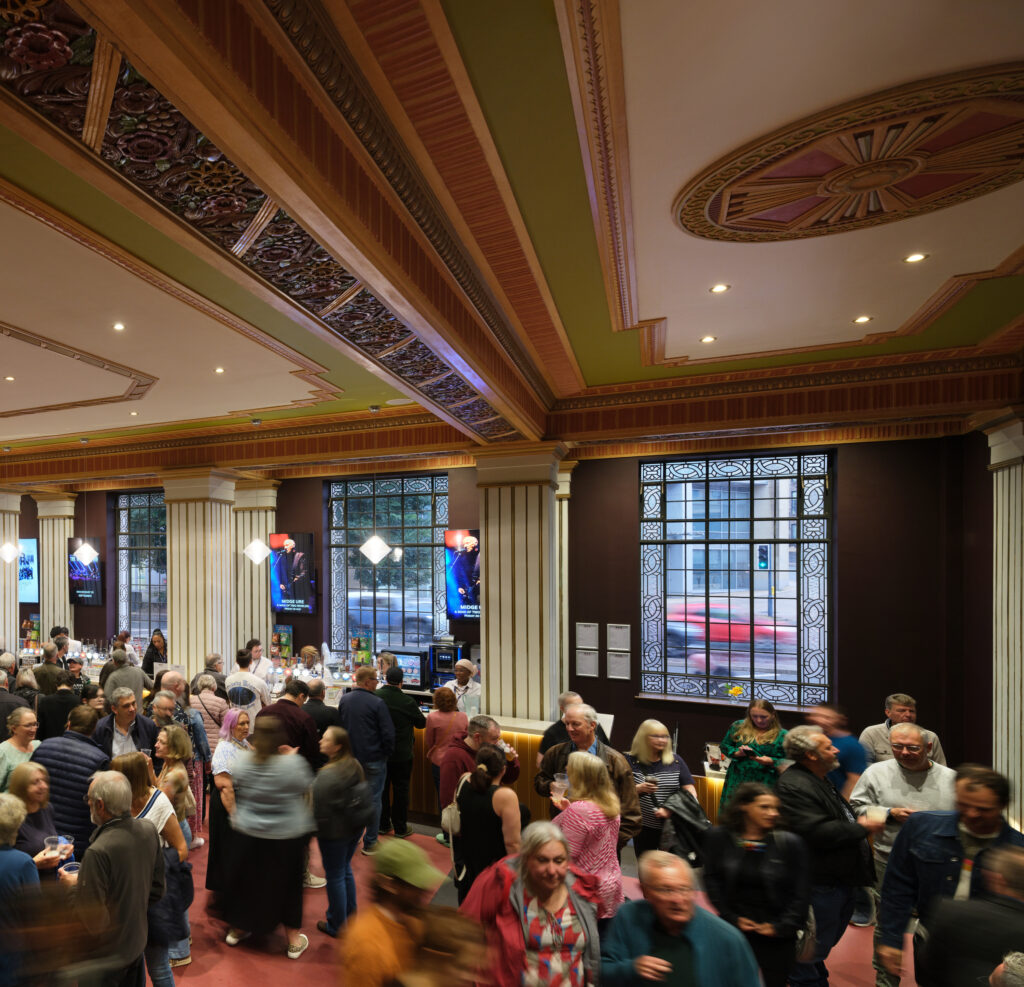
Elsewhere, repair and sensitive replacement were key. A severely deteriorated hollow precast and timber plank floor was replaced with a lightweight concrete solution carefully designed to replicate the original dead load. A missing balcony section was reinstated and strengthened to meet modern vibration criteria, while historic iron beams spanning the Bradford Beck were locally repaired where corrosion had occurred.
Throughout, the project followed a light-touch philosophy of “doing no more than necessary,” resulting in a robust, characterful venue that preserves the embodied value and cultural significance of the original structure.
Structural Engineer: Price & Myers
Photography: Philip Vile and Nigel Jarvis