
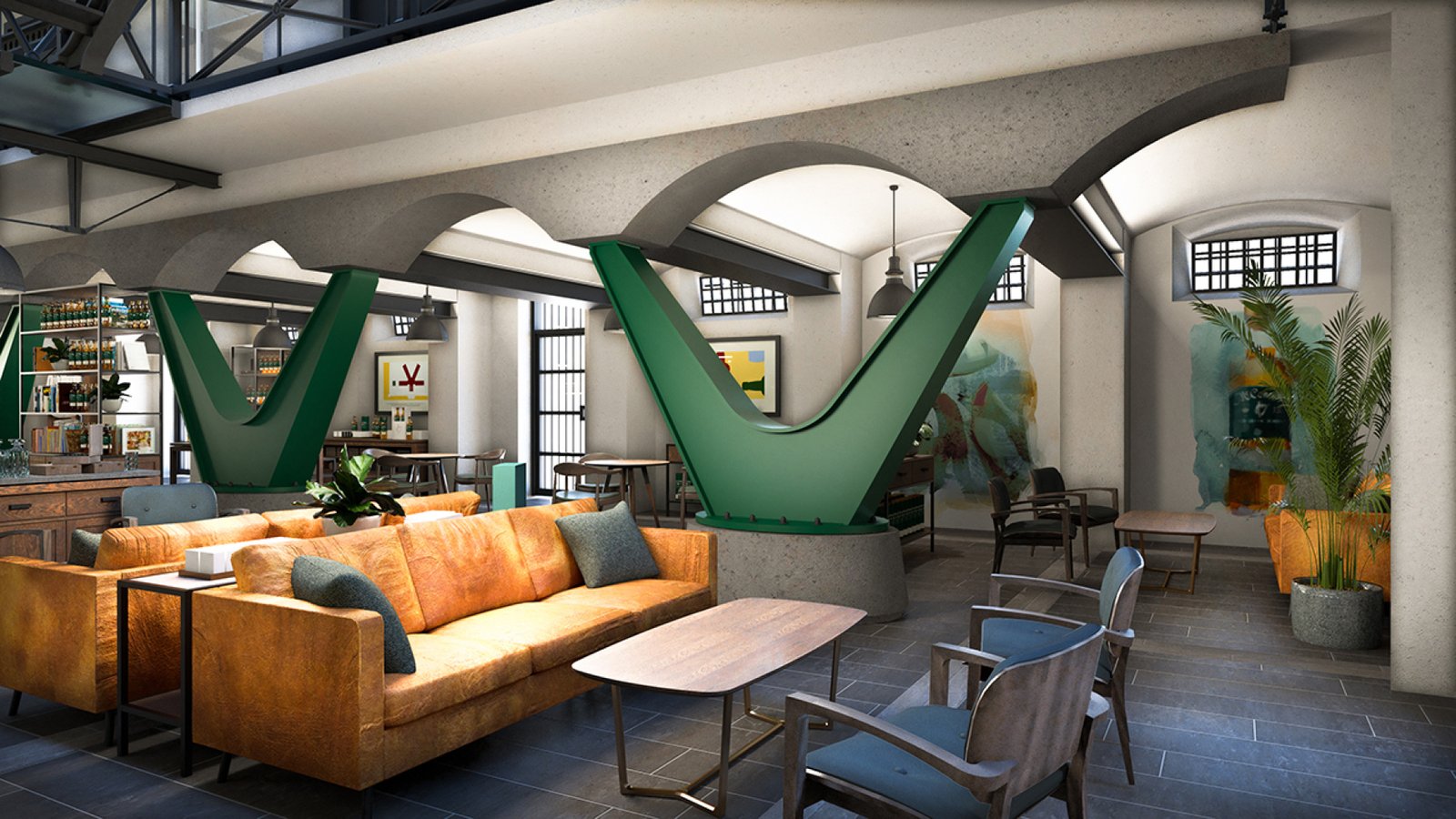
The conversion of the derelict A-Wing of the Grade A listed Crumlin Road Gaol demonstrates how adaptive reuse can preserve significant heritage fabric while introducing a new commercial use.
Designed by Charles Lanyon, the gaol is a landmark of cultural and architectural importance in Belfast. Following its closure in 1996, the A-Wing remained vacant and at risk of decay while another wing was repurposed as a tourist attraction and conference centre.
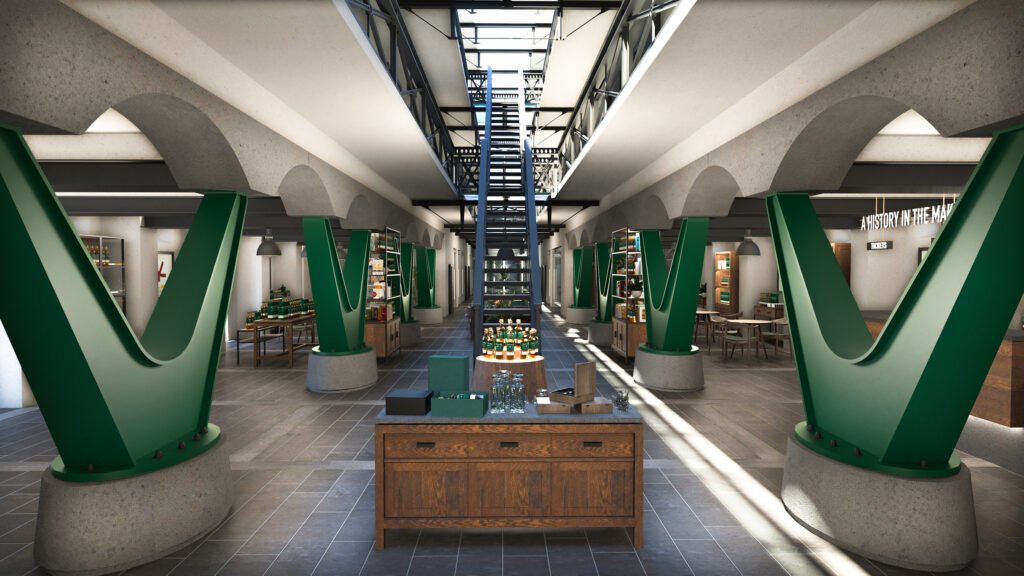
In 2012, Belfast Distillery Company secured approval to convert the A-Wing into a whisky distillery. From the outset, the focus was on demonstrating the value of retaining and repurposing the historic structure rather than pursuing demolition. By unlocking the potential of the existing fabric, the project team showcased how heritage assets can be integrated into contemporary commercial uses without compromising operational efficiency. A key part of the project was helping the client envision the long-term advantages of adaptive reuse – from carbon savings and reduced material waste to the authenticity and character that only a historic building can provide. The design helped shift perceptions, demonstrating that heritage-led development can be both commercially viable and culturally enriching.
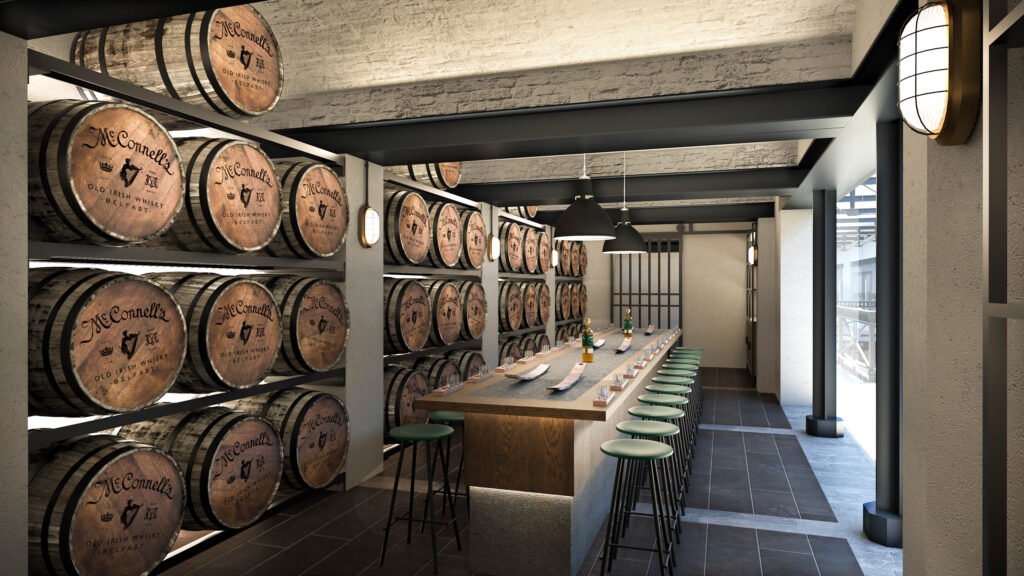
By leveraging traditional construction methods and working with the existing structural form, the scheme created functional and characterful spaces that respected the Gaol’s architectural integrity, while ensuring the building could support its new use without compromising its heritage value.
The £22m project illustrates the long-term potential of adaptive reuse. Over a 12-year journey from concept to completion, the redevelopment safeguarded a significant historic structure from further deterioration and demonstrated how reuse-led thinking can unlock new life and purpose for complex heritage buildings.
Structural Engineer: Design ID