
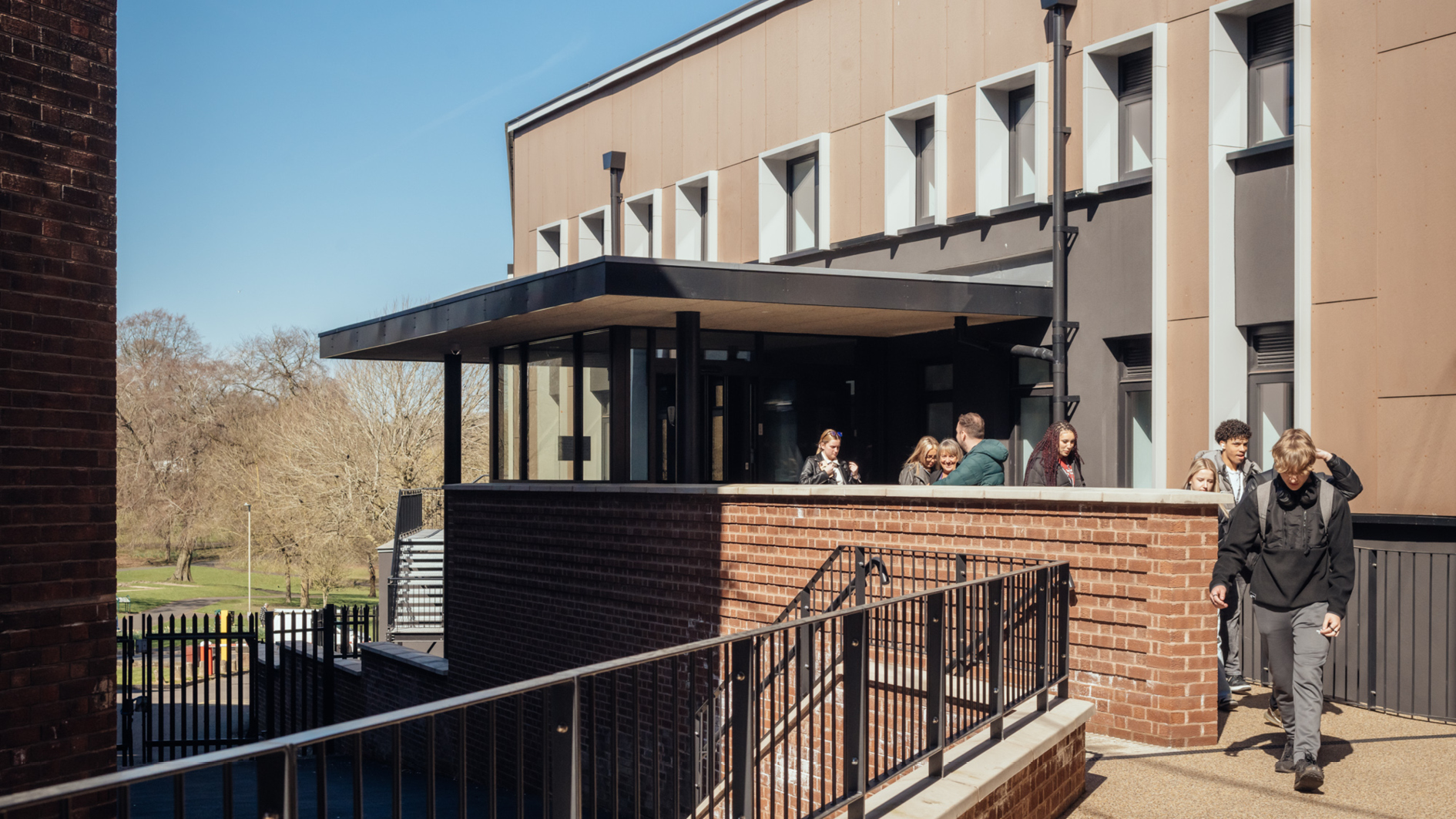
The Animal Studies Centre demonstrates how deep structural refurbishment transform a twentieth-century building into a high-performance education facility while retaining embodied value.
Originally constructed in the 1950s on Dudley College of Technology’s Broadway Campus, the building was initially slated for demolition and replacement. Instead, a reuse-led strategy was adopted, demonstrating that the existing structure could be adapted to meet modern standards of energy performance and educational functionality.
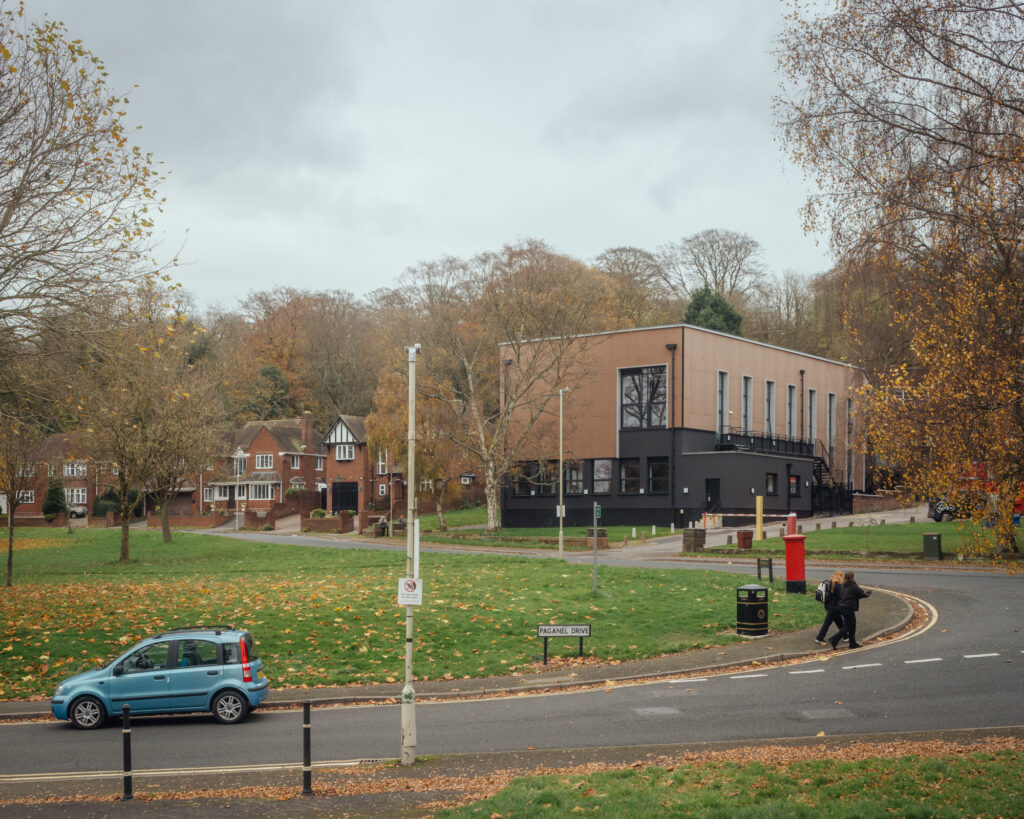
Extensive investigation and structural analysis were required due to the age of the building and limited original documentation. Careful assessment of the existing frame enabled confirmation that it could accommodate revised loading requirements, avoiding unnecessary replacement and preserving most of the primary structure. Structural interventions were therefore targeted, focusing only where required to support the new teaching spaces and specialist facilities.
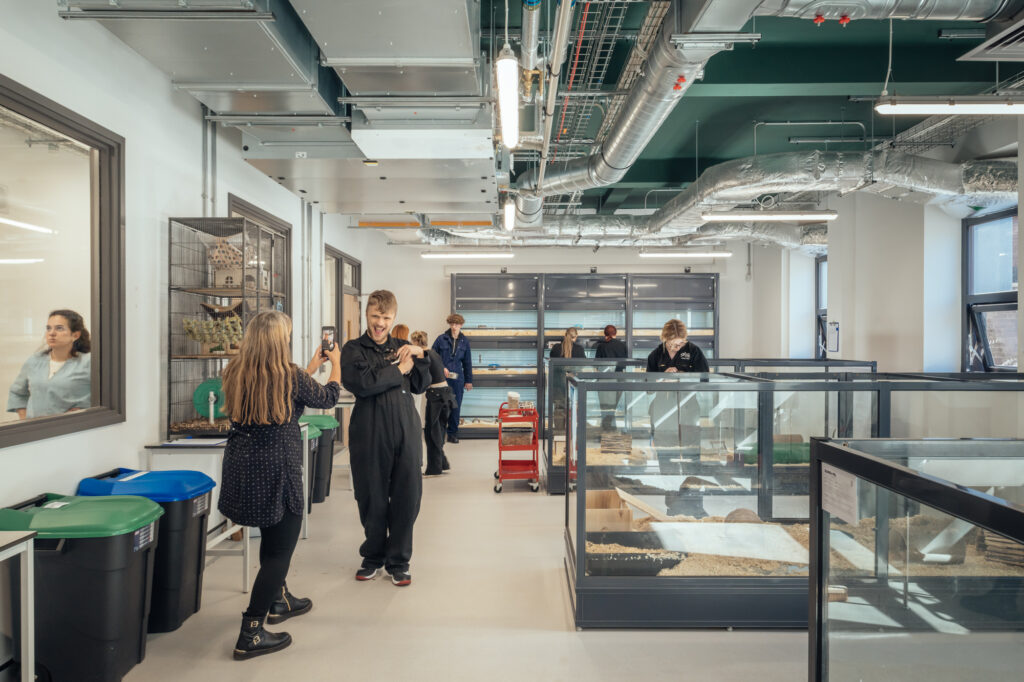
Alongside structural retention, the project incorporated a comprehensive fabric upgrade. Enhanced wall and roof insulation, new high-performance glazing and improved airtightness significantly reduced operational energy demand. Passivhaus Planning Package modelling informed design decisions and allowed the team to test and refine performance improvements.
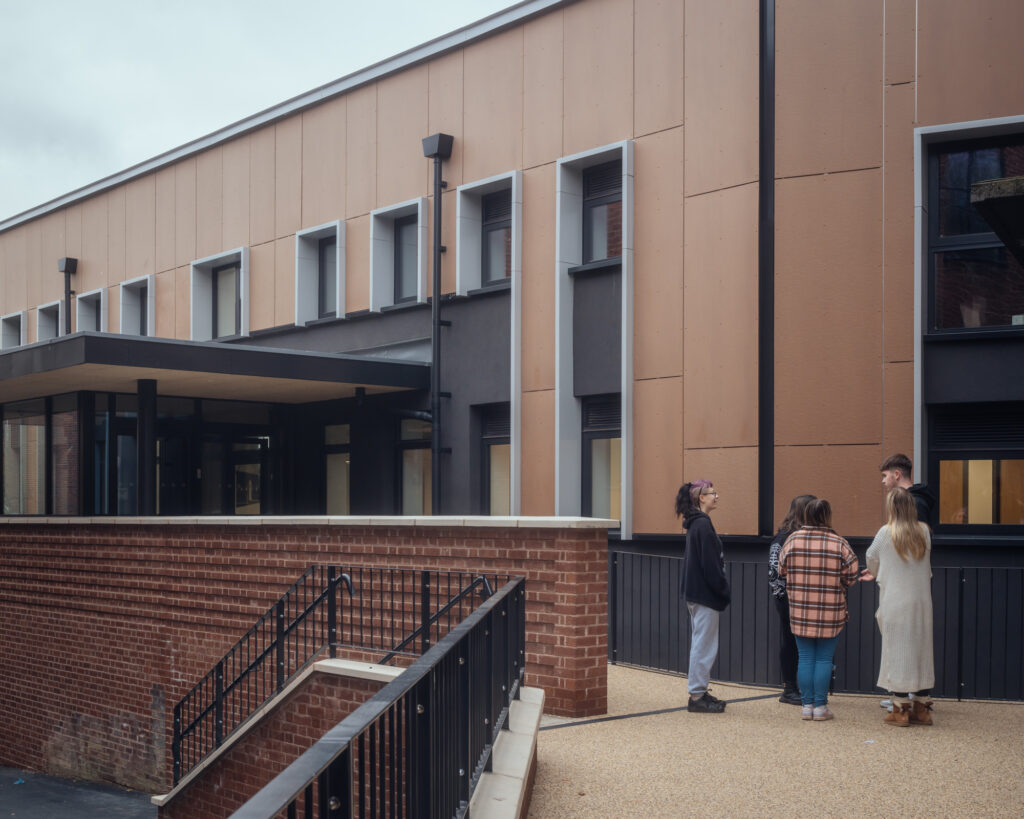
The completed building achieves an embodied carbon of 47kgCO₂e/m², substantially below current LETI targets for schools. More importantly, the project demonstrates that buildings from this period – often considered disposable – can be adapted to meet contemporary environmental standards.
The Animal Studies Centre now stands as a practical example of how early structural advocacy for reuse can steer projects away from demolition and towards long-term stewardship.
Structural Engineer: Cundall
Photography: Jim Stephenson